APPLE
Apple's 2025: Triumphs and Setbacks in a Shifting Market
Explore Apple's performance in 2025, detailing the successes of the iPhone 17 series and Liquid Glass, alongside challenges faced by the iPhone Air and Apple Vision Pro.
- Read time
- 5 min read
- Word count
- 1,121 words
- Date
- Dec 20, 2025
Summarize with AI
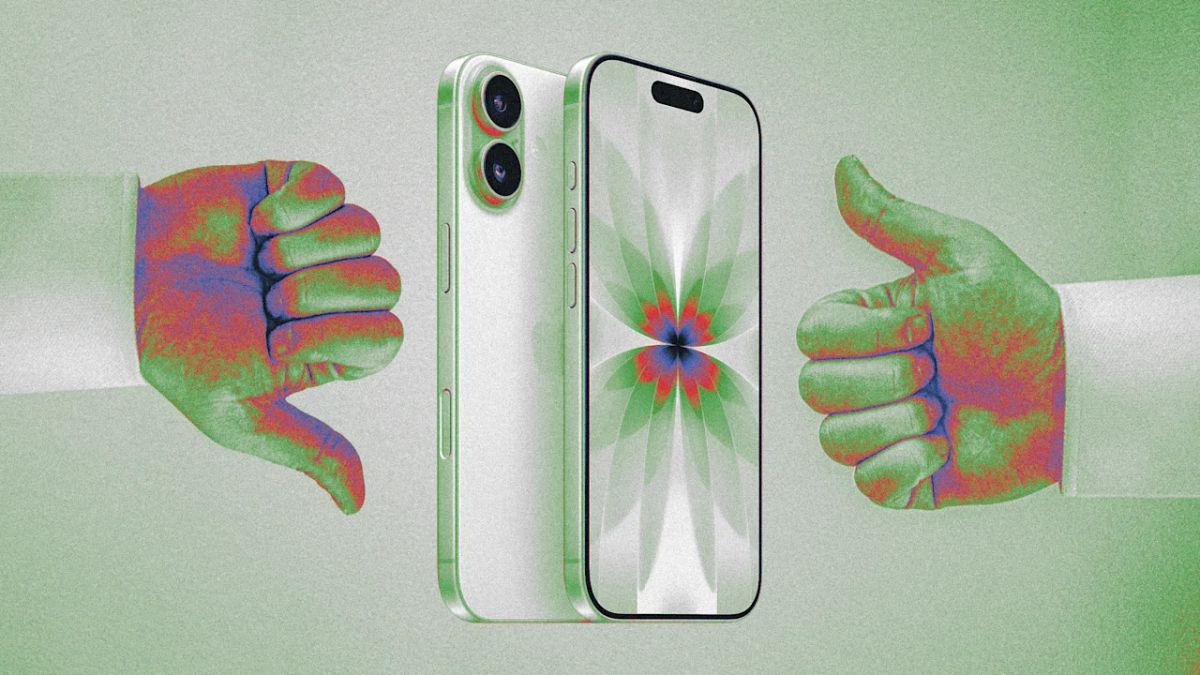
As 2025 concludes, Apple's year was a mix of notable achievements and significant hurdles. The iPhone 17 series saw remarkable sales and a positive reception for its design and performance, particularly in crucial global markets. The company's revamped iOS 26 with Liquid Glass also garnered appreciation for its distinct visual appeal. However, Apple faced setbacks with the ultra-thin iPhone Air, which struggled with demand due to camera and battery limitations. Furthermore, its AI efforts with Apple Intelligence offered minimal new features, and the updated Vision Pro M5 failed to address core accessibility issues, keeping it a niche product. This period highlights Apple's strengths in core consumer electronics while revealing areas needing strategic reevaluation.
🌟 Non-members read here
The technology sector navigated a tumultuous year in 2025, grappling with the relentless advancement of artificial intelligence and the economic uncertainties introduced by trade policies. Even leading corporations encountered unforeseen obstacles. As the year draws to a close, a review of Apple’s performance reveals a blend of major accomplishments and areas where the company struggled to meet expectations.
Apple’s Key Achievements in 2025
Apple celebrated several significant victories throughout 2025, demonstrating its continued influence in the consumer electronics market. These successes ranged from its flagship smartphone series to a comprehensive redesign of its mobile operating system and a strategic simplification of its product branding. These moves collectively reinforced Apple’s market position and consumer appeal.
The Resounding Success of the iPhone 17 Series
Undoubtedly, Apple’s most significant triumph of 2025 was the iPhone 17 lineup, encompassing the iPhone 17, iPhone 17 Pro, and iPhone 17 Pro Max. Numerous industry reports indicate that sales of these devices far surpassed both Apple’s internal projections and investor expectations. This strong performance solidified the iPhone’s status as a critical revenue driver.
The iPhone 17 and iPhone 17 Pro underwent substantial redesigns this year. The standard iPhone 17 received a significantly improved display, a more advanced camera system, and extended battery life, addressing key consumer desires. The Pro iterations introduced an entirely new unibody design, featuring what many consider the best cameras ever integrated into an iPhone, alongside an impressive battery life of up to 39 hours.
While these enhancements were largely iterative, they effectively addressed core user priorities: photography capabilities and battery longevity. Consumers responded positively, rewarding Apple with surging iPhone 17 sales not only in the United States but, critically, in China, which represents the world’s largest smartphone market after the U.S. This sales surge played a pivotal role in the recovery of Apple’s stock, which had previously faced downward pressure due to potential exposure to new tariffs.
Introducing the Liquid Glass Design Language in iOS 26
Following the iPhone, Apple’s operating system, iOS, remains a cornerstone of its ecosystem. In 2025, the company made the notable decision to completely overhaul the visual appearance of iOS with the introduction of the Liquid Glass design language in iOS 26. This marked the first radical aesthetic change to iOS since 2013, signaling a fresh direction for the mobile interface.
Initially, iOS 26’s Liquid Glass faced some criticism, a common reaction to major visual redesigns. However, Apple consistently refined the look and feel of the new design language, leading to a noticeable reduction in online dissent. More importantly, the new design provides Apple’s smartphone software with a distinct visual identity, immediately differentiating it from Android platforms. Ultimately, the software’s ability to simulate light bending and warping through glass injected a new level of dynamism and enjoyment into Apple’s flagship mobile product, reminiscent of the innovative spirit seen in earlier eras.
Streamlined Branding Across Apple’s Ecosystem
Apple’s final major win for 2025 was not a specific product but a strategic refinement of its branding approach. As Apple’s product portfolio has expanded in recent years, its naming conventions, particularly for software and services, had become increasingly complex. This year, the company made a deliberate move to simplify its branding architecture.
Previously, Apple’s operating systems were identified by distinct version numbers, such as iOS 18, macOS 15, and watchOS 11. Now, they are uniformly named after the upcoming year: iOS 26, macOS 26, watchOS 26, iPadOS 26, tvOS 26, and visionOS 26. This streamlined nomenclature provides clarity, making it straightforward for users to determine if their devices are running the latest software. Apple also extended this simplification by removing the redundant plus sign from the name of its streaming service, further enhancing brand consistency.
Apple’s Notable Setbacks in 2025
Despite its successes, Apple also encountered significant challenges in 2025, highlighting areas where its product strategy or execution fell short of market expectations. These setbacks included a new iPhone model that failed to resonate with consumers, a perceived lack of innovation in its artificial intelligence offerings, and continued limitations with its augmented reality headset.
The Underperforming iPhone Air
While the iPhone 17 series benefited from iterative improvements, Apple pursued a more ambitious direction with another 2025 release: the entirely new iPhone Air. Positioned as Apple’s thinnest iPhone ever at just 5.6 millimeters, reports indicate a notable lack of consumer demand for this innovative device. This lukewarm reception represents a significant misstep for the company.
The primary issues plaguing the iPhone Air appear to be its compromised camera system and relatively short battery life. As demonstrated by the success of the iPhone 17 series, these two attributes are paramount to customer satisfaction. Demand for the new ultra-thin device was so weak that Apple reportedly scaled back production by more than 80 percent. However, it is possible Apple achieved a different objective with the iPhone Air: a proof of concept for constructing an exceptionally thin iPhone, potentially paving the way for future dual-screen foldable devices.
Limited Advancements in Apple Intelligence
The year 2025 saw continued progression in artificial intelligence across the technology industry, but Apple’s proprietary AI system, Apple Intelligence, introduced very few substantial new AI capabilities. While it integrated some useful Live Translation features, most other enhancements focused on functionalities already common in other AI systems, such as basic on-screen image recognition and generic AI-generated filters. This conservative approach left many observers underwhelmed.
Those anticipating a reimagined Siri capable of rivaling advanced AI models like OpenAI’s ChatGPT and Google’s Gemini will have to extend their wait until 2026 or potentially even later. The extent to which consumers truly care about Apple’s perceived lag in the AI domain remains debatable, especially since most third-party AI applications are readily available on the iPhone. Nevertheless, this lack of groundbreaking AI innovation represents a missed opportunity for a company generally regarded as an industry leader in technological advancement.
Persistent Challenges with Apple Vision Pro M5
One area where Apple has undeniably pushed boundaries in recent years is augmented reality, primarily through its innovative Apple Vision Pro headset. In 2025, Apple unveiled the successor to the original Vision Pro, featuring the updated M5 Apple Silicon chip, which facilitated higher resolution and other display enhancements. While these technical improvements were noteworthy, they did not address the broader issues hindering the device’s widespread adoption.
Apple failed to tackle other fundamental problems with the technologically impressive but flawed device, most notably its considerable weight and its prohibitive $3,499 price point. Consequently, the headset continues to occupy a niche market, remaining either unappealing or financially inaccessible to the average user. Despite its advanced capabilities, the Vision Pro has yet to transition from an enthusiast product to a mainstream consumer device, underscoring a significant ongoing challenge for Apple in the augmented reality space.