HEALTH TECH
Breath Sensor Device Promises Painless Glucose Tracking
PreEvnt's isaac device, showcased at CES 2026, analyzes breath to detect glucose level changes, offering a non-invasive solution for diabetes management.
- Read time
- 5 min read
- Word count
- 1,013 words
- Date
- Jan 17, 2026
Summarize with AI
For years, non-invasive blood sugar monitoring has been an elusive goal for health technology. PreEvnt's isaac device, highlighted at CES 2026, presents a novel approach by analyzing volatile organic compounds in breath, particularly acetone, to identify potential glucose events. This small, wearable device aims to supplement traditional monitoring, reducing the reliance on painful finger-prick tests and providing early alerts. Developed with a personal connection to Type 1 diabetes, isaac is currently undergoing clinical trials and FDA review, holding promise for improved daily life for those managing diabetes.
🌟 Non-members read here
Monitoring blood sugar levels without invasive procedures has been a long-standing challenge in healthcare technology. For individuals living with diabetes, consistent monitoring is essential, yet current methods often involve discomfort and intrusion. The routine of finger pricks can be painful, and even continuous glucose monitors require a sensor beneath the skin. This daily burden can significantly impact quality of life.
Recently, a compact device has garnered considerable attention for its innovative approach to this persistent problem. Its design seeks to transform how individuals manage their glucose levels by moving away from traditional methods.
Revolutionizing Glucose Monitoring with Breath Analysis
Blood sugar levels can fluctuate rapidly, and undetected changes carry significant risks, ranging from long-term organ damage to acute hypoglycemic episodes. The need for more convenient and less intrusive monitoring tools continues to grow, especially with the increasing popularity of GLP-1 medications, which often prompt individuals without diabetes to track their blood sugar for metabolic insights. Even major tech companies have invested heavily in developing no-prick glucose tracking for wearables, but such features have yet to reach the market.
At CES 2026, PreEvnt introduced its highly discussed health device, isaac, which offers a unique method for glucose awareness. Unlike devices that pierce the skin or rely on optical sensors, isaac analyzes a user’s breath. It detects volatile organic compounds, particularly acetone, which has long been linked to elevated blood glucose levels. The presence of a sweet, fruity breath odor is a recognized indicator of diabetes. By identifying shifts in these compounds, isaac is designed to alert users to potential glucose-related events.
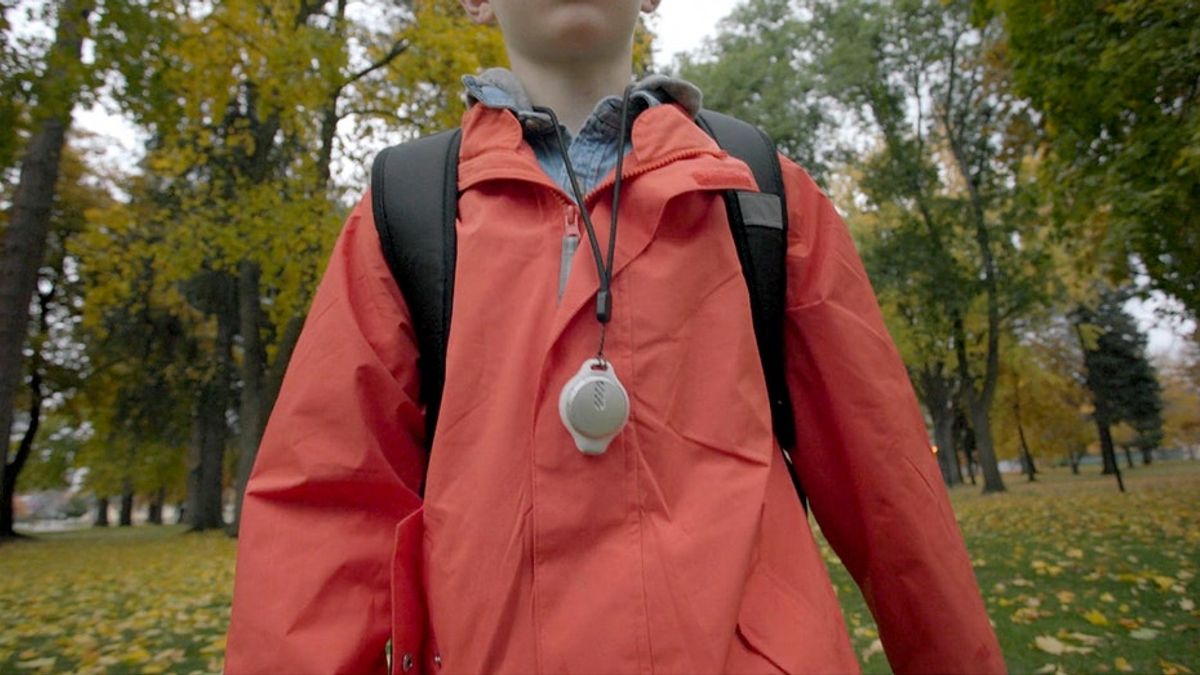
The device itself is remarkably small, roughly the size of a quarter, and includes a loop for easy attachment to a lanyard, clothing, or a bag. This breath-based design aims to decrease the frequency of traditional finger-prick tests while providing timely alerts for changes in glucose parameters. This innovative approach could offer a significant step forward in daily diabetes management.
The isaac device bears the name of the inventor’s grandson, Isaac, who was diagnosed with Type 1 diabetes at the tender age of two. Driven by a desire to alleviate the daily pain of numerous finger pricks his grandson endured, inventor Bud Wilcox embarked on a multi-year collaboration. This effort involved scientists, designers, and engineers, including research and development conducted with Indiana University under the guidance of Dr. M. Agarwal. The overarching goal was both straightforward and ambitious: to provide earlier alerts for blood sugar events to families and to lessen the physical and emotional toll of constant testing. This personal motivation underscores the device’s human-centered design philosophy.
Isaac is engineered to seamlessly integrate into daily routines. Users simply breathe into the device, which then processes the data and transmits it to a companion smartphone application. This application, currently in its final development stages, emphasizes awareness and safety features. These functionalities are crucial because individuals with diabetes can experience disorientation or incapacitation during hypoglycemic events. Early alerts provide caregivers or family members the opportunity to intervene promptly, enhancing user safety. The device’s battery ensures all-day operation and supports multiple breath tests on a single charge, with convenient recharging via a USB-C cradle and cable.
Development, Clinical Trials, and Regulatory Pathway
PreEvnt intends for isaac to be a valuable tool for various user groups. These include children and adults managing Type 1 diabetes, as well as adults with Type 2 diabetes. The device may also appeal to individuals who are focused on metabolic health and wish to understand how different foods impact their blood sugar levels. However, it is important to note that isaac is still under development and is undergoing review by the U.S. Food and Drug Administration. Consequently, it is not yet available for purchase in the United States. The accompanying smartphone application will be released on both iOS and Android platforms closer to the device’s commercial availability.
PreEvnt first introduced the isaac device to the public at CES 2025. Following this initial unveiling, the device progressed into active human clinical trials later that same year. These studies are designed to compare the efficacy of isaac’s breath-based alerts against established traditional blood glucose monitoring methods. The trials began with adolescents diagnosed with Type 1 diabetes and have since expanded to include adults with Type 2 diabetes. The company is actively working towards obtaining regulatory approval from the U.S. Food and Drug Administration. Given the novelty of this technology, PreEvnt is pursuing a de novo pathway, which allows for the evaluation of innovative devices even as regulatory standards are still being defined. According to the company, regulators have expressed significant interest as new data continues to emerge from the ongoing trials.
It is crucial to understand that isaac is not being positioned as a replacement for medical-grade glucose meters. Instead, the device is being developed to complement existing monitoring strategies by offering breath-based alerts linked to changes in glucose levels. This supplementary role aims to provide users with an additional layer of insight and early warning, enhancing their overall diabetes management strategy without supplanting the need for precise medical-grade measurements when necessary. The goal is to make daily monitoring more comfortable and accessible, contributing to better health outcomes.
The Future of Non-Invasive Diabetes Care
For many years, the concept of non-invasive glucose monitoring has remained a promising future development that consistently seemed just out of reach. The significant attention garnered by isaac at CES 2026 suggests that this long-awaited promise might finally be on the verge of becoming a reality. If ongoing clinical trials continue to yield positive results and regulatory bodies grant their approval, the simple act of breathing into a small device could eventually reduce, if not partially replace, the need for some daily finger pricks.
This potential shift could profoundly impact the daily lives of families managing diabetes, making routines easier and significantly enhancing safety. The integration of such technology into everyday care has the potential to alleviate much of the physical and emotional burden associated with traditional monitoring methods. It signals a move towards more user-friendly and less intrusive healthcare solutions that could improve quality of life for millions.