SIPEED NANOKVM
Scrutiny on Sipeed NanoKVM's Integrated Microphone
The Sipeed NanoKVM faces scrutiny over a 'hidden' microphone, raising questions about security and product design in remote KVM solutions.
- Read time
- 3 min read
- Word count
- 786 words
- Date
- Dec 20, 2025
Summarize with AI
The Sipeed NanoKVM-Cube, a remote KVM solution, has come under recent scrutiny due to the presence of an integrated microphone on its underlying development board, the LicheeRV Nano. While initial reports highlighted this as a significant security concern, experts suggest that the microphone's functionality requires direct login, mitigating some immediate privacy risks. The article explores the origins of this design choice, the evolving security landscape of the NanoKVM's software, and the potential utility of such audio input in troubleshooting remote systems, offering a balanced perspective on the controversial component.
🌟 Non-members read here
Unpacking the Sipeed NanoKVM Microphone Controversy
Recent discussions in the tech community have focused on the Sipeed NanoKVM, particularly concerning an unexpected microphone component. Renowned tech personality Jeff Geerling joined the conversation, highlighting the presence of this microphone on a device intended for remote KVM functionalities. The initial wave of criticism centered on the idea that such a component should not be present in a remote access solution, raising questions about privacy and security.
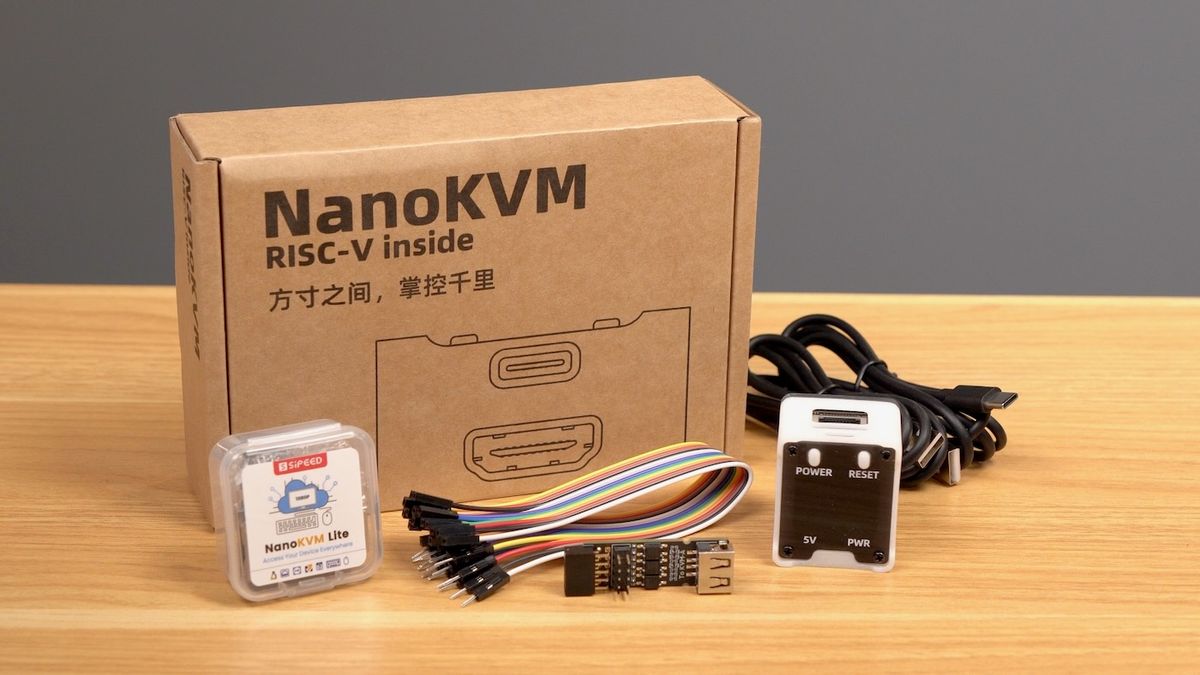
The core of the issue, as Geerling explained, stems from the NanoKVM-Cube’s architecture. This product is essentially a software solution deployed on an existing development board, the LicheeRV Nano, paired with an HDMI-in board. The microphone is an inherent feature of the LicheeRV Nano board itself and was not removed or disabled for the NanoKVM-Cube application. This suggests that much of the underlying Linux image and hardware configuration from the development board were likely reused for the KVM solution.
The controversy gained traction following a security report initially published in February 2025, which brought several concerns to light, including the microphone. While many of the original security vulnerabilities, particularly those related to remote access, have since been addressed in the project’s public GitHub repository, the microphone remains a point of discussion. Experts suggest that the microphone’s functionality would necessitate an authenticated login to the device, implying that a compromised system would already present broader security challenges beyond just audio capture. The ongoing evolution of the NanoKVM’s software stack highlights a responsive development process, even as hardware choices continue to spark debate.
The Technical Origins and Security Implications
The design choice to include a microphone on the NanoKVM-Cube is deeply rooted in its heritage as a repurposed development board. The LicheeRV Nano, an accessible and versatile platform, includes various peripherals for general-purpose development. When adapted for the NanoKVM, these components, including the microphone, were seemingly carried over without specific modifications or removals. This approach streamlines development but introduces features that might appear extraneous or even concerning in a specialized application like a remote KVM.
From a security standpoint, the microphone’s presence has been a primary concern for users. The notion of a device silently capturing audio in a sensitive environment, even if requiring login, raises legitimate privacy questions. However, the requirement for an authenticated user to activate the microphone provides a layer of protection. This means that an attacker would first need to breach the device’s security and gain administrative access before being able to utilize the audio input. Such a scenario implies a significant compromise of the system, at which point the microphone becomes one among many potential vectors for data exfiltration.
Developers have been proactive in addressing other security flaws identified in early reports, particularly those related to remote access protocols and authentication mechanisms. Updates to the NanoKVM’s public GitHub repository indicate ongoing efforts to harden the software against unauthorized access. This commitment to security patches and continuous improvement helps mitigate some of the broader risks associated with a powerful remote management tool. Still, the inherent presence of the microphone on the hardware necessitates a clear understanding of its operational status and potential implications for users in varied environments.
Practical Applications and Future Considerations
While the microphone’s presence initially sparked controversy, some in the tech community have highlighted its potential practical benefits. In troubleshooting remote systems, audible cues can be invaluable. For instance, being able to hear diagnostic beeps during a system’s boot process can provide critical insights into hardware failures, which are otherwise difficult to ascertain remotely. System sounds such as fan noise, cooling pump operation, or unusual whirring can also offer early indicators of impending hardware issues or performance degradation. This audio feedback could significantly enhance the diagnostic capabilities of a remote KVM.
The discussion around the NanoKVM’s microphone has opened a broader conversation about what features are truly beneficial in remote management solutions. While a microphone might seem out of place for pure video and keyboard/mouse control, its utility in audio monitoring for system health could lead to its inclusion in future KVM designs. Some suggest that advanced remote KVM solutions could even benefit from an array of microphones to better pinpoint sound sources and provide more comprehensive audio diagnostics, akin to how server rooms often employ environmental monitoring sensors.
Ultimately, the NanoKVM-Cube’s situation serves as a case study in product development, highlighting the balance between repurposing existing hardware and tailoring solutions for specific applications. For users concerned about the microphone, understanding its operational requirements and the project’s security posture is key. For others, the unexpected feature might unlock new possibilities for remote system diagnosis. As remote computing infrastructure continues to evolve, the integration of such seemingly minor components will likely remain a topic of interest and innovation.