ARTIFICIAL INTELLIGENCE
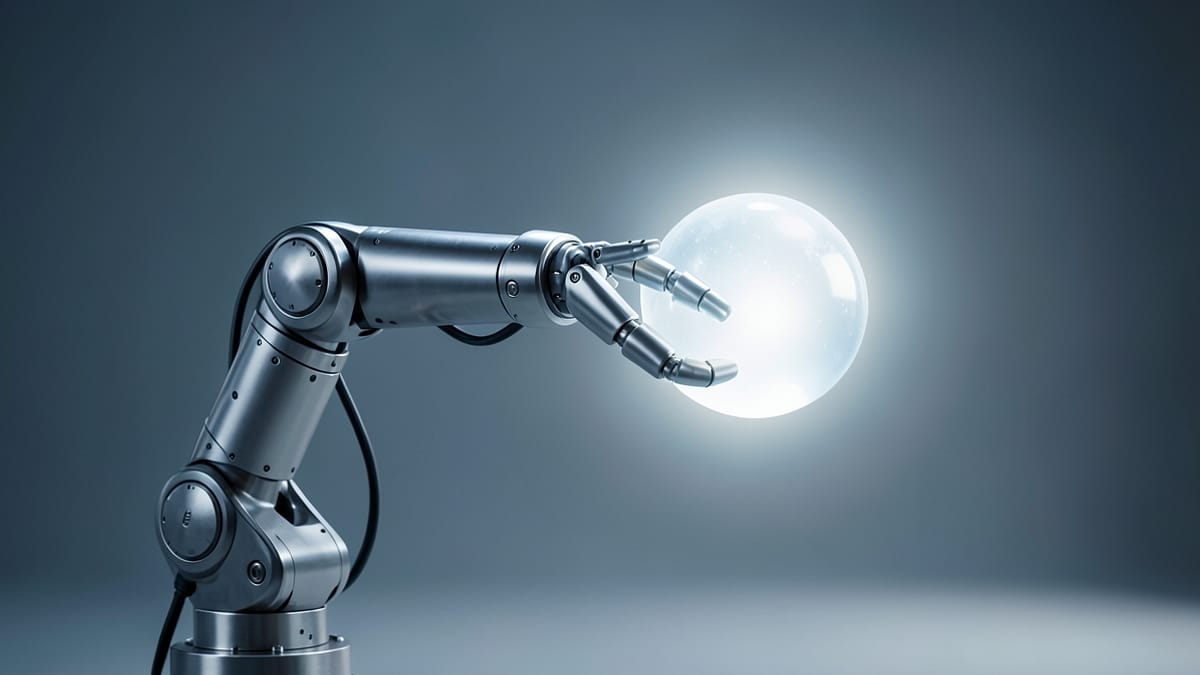
Physical AI systems bridge the gap between software and atoms
Frontier artificial intelligence moves beyond digital chatbots into hardware and infrastructure to drive the next decade of American economic efficiency.
- Read time
- 5 min read
- Word count
- 1,013 words
- Date
- Nov 29, 2026
- Key Takeaways:
- Anthropic committed approximately 900 billion dollars to compute and infrastructure in its recent Nasdaq filing.
- SpaceXAI plans to acquire 20 gigawatts of power and 40 billion dollars in Nvidia GPUs by 2027.
- Waymo secured a 5 billion dollar loan backed by institutional lenders including Blackstone and PIMCO.
- The American Society of Civil Engineers reports a 3.7 trillion dollar infrastructure investment gap.
🌟 Non-members read here
The landscape of artificial intelligence is shifting from digital interfaces to tangible applications in the physical world. This transition marks a departure from simple chatbots toward complex systems that integrate high level intelligence with hardware, energy grids, and transportation networks to redefine industrial productivity and economic stability.
The Shift from Digital Models to Physical Infrastructure
The financial barrier to entry for developing frontier artificial intelligence models is reaching unprecedented levels. Anthropic recently went public on the Nasdaq with a filing that highlighted a staggering $900 billion commitment to infrastructure and computing power. This massive figure suggests that the era of small startups competing on base model development is ending.
The scale of investment is not limited to software firms. SpaceXAI recently disclosed goals to secure 20 gigawatts of power by 2027. They also intend to spend $40 billion on specialized hardware from Nvidia to support their growing compute needs. These numbers illustrate a move toward heavy industrial operations rather than just code.
For new founders, the path forward involves moving beyond the web browser. The most significant opportunities now exist at the intersection of intelligence and atoms. By pairing advanced algorithms with physical machines, companies can unlock efficiency gains that were previously impossible. This shift could transform the United States from a service-heavy economy into a balanced powerhouse of manufacturing and mobility.
Investment capital is already flowing into these “hard tech” sectors. Arda Industries recently secured a nine-figure funding round to translate engineering designs into automated factory workflows. Similarly, robotics firms like Figure and Physical Intelligence are attracting hundreds of millions of dollars. These investments reflect a growing confidence in machines that can perform complex manual tasks in real-world environments.
Defense technology is another area seeing rapid growth. Companies like Saronic are developing autonomous vessels for maritime operations. Meanwhile, Agon recently raised $70 million to improve the training of drones through advanced simulations. These developments indicate that the future of security relies heavily on the marriage of autonomous software and robust hardware.
Institutional Support and the Growth of Hard Tech Hubs
The maturation of the physical AI sector is evident in how it is financed. Autonomous vehicle companies like Waymo and Zoox are no longer experimental projects. They are operational businesses expanding across major cities. Their growth is supported by traditional institutional lenders rather than just venture capital.
This year, Waymo secured a $5 billion loan from major financial entities such as Blackstone and PIMCO. These organizations typically fund large-scale infrastructure like power plants or toll roads. Their involvement signals that autonomous fleets are now viewed as reliable physical assets. This type of debt financing is a hallmark of an industry moving into a permanent phase of expansion.
Geographically, this movement is centering in specific regions known for hardware innovation. In El Segundo, California, a location nicknamed Gundo, the demand for industrial space is soaring. Commercial real estate reports show factory vacancy rates have dropped below 2%. Startups focused on space, defense, and manufacturing are moving into these areas to be near specialized talent and facilities.
Working with physical objects presents unique challenges compared to pure software development. Atoms are more expensive to manipulate and slower to iterate than digital bits. However, every physical machine deployed in the field serves as a data collector. This feedback loop ensures that each new iteration of a robot or vehicle is smarter than the last. This compounding advantage creates a defensive moat for companies that successfully bridge the digital and physical divide.
The rise of these companies suggests a broader trend in the American workforce. As AI begins to automate certain knowledge-based tasks, the demand for sophisticated physical production grows. This creates a new category of industrial work that requires both technical expertise and mechanical skill. The result is an economy that is more resilient to the fluctuations of the digital-only market.
Overcoming Power Constraints and Infrastructure Gaps
A significant obstacle threatens the rapid expansion of physical AI systems. Both data centers and modern factories require immense amounts of electricity. Connecting new facilities to the aging power grid has become a primary bottleneck for technological progress. Even major players like Anthropic have identified grid delays as a primary risk to their business operations.
This challenge is driving innovation in modular and supplemental power sources. Companies like Base Power are working to turn residential battery systems into decentralized grid capacity. These efforts help stabilize the energy supply during periods of high demand. By treating energy as a core economic technology, these firms are ensuring that the AI buildout does not collapse under its own weight.
Sustainable energy sources are also playing a more functional role in this new economy. Solar power, fuel cells, and advanced battery storage are no longer just environmental choices. They are essential components of a reliable industrial strategy. For example, the electrification of school bus fleets offers a dual benefit. When these vehicles are not transporting students, they can act as mobile batteries, feeding up to 3 gigawatts of power back into the grid.
The integration of intelligence into existing systems allows for better resource management. We can achieve more output from current factories and more utility from every mile of road. This efficiency is vital because the current state of national infrastructure is declining. The American Society of Civil Engineers recently issued a mediocre grade for the nation’s roads, transit, and energy systems.
There is a massive gap between current infrastructure spending and what is required for proper maintenance. Estimates suggest a $3.7 trillion shortfall over the next decade. While traditional government spending bills are one solution, technological growth offers a more sustainable path. AI-powered systems can maximize the value of existing assets while generating the economic surplus needed to fund future repairs.
Ultimately, the fusion of AI and atoms provides a roadmap for national renewal. By focusing on physical applications, the tech industry can address real-world problems like energy scarcity and decaying logistics. This approach ensures that the benefits of artificial intelligence are not confined to digital screens but are felt in every factory, road, and power line across the country.
References
- Attribution: Valentin Podkamennyi, VP Insights
- Citations: AI’s next great opportunity is in the physical world, Fast Company
- Mentions: Nvidia, Blackstone Inc., Waymo, SpaceX
- About: Anthropic, Artificial intelligence