ARTIFICIAL INTELLIGENCE
Anthropic sets aside five percent of shares for public trust
AI startup Anthropic allocates five percent of its equity to a public benefit trust to mitigate social impacts and share future profits with the community.
- Read time
- 6 min read
- Word count
- 1,251 words
- Date
- Oct 25, 2026
- Key Takeaways:
- Anthropic is dedicating 5 percent of its total shares to a company-owned public benefit trust.
- A similar 5 percent equity stake in Google at its 2004 IPO would be worth 184 billion dollars today.
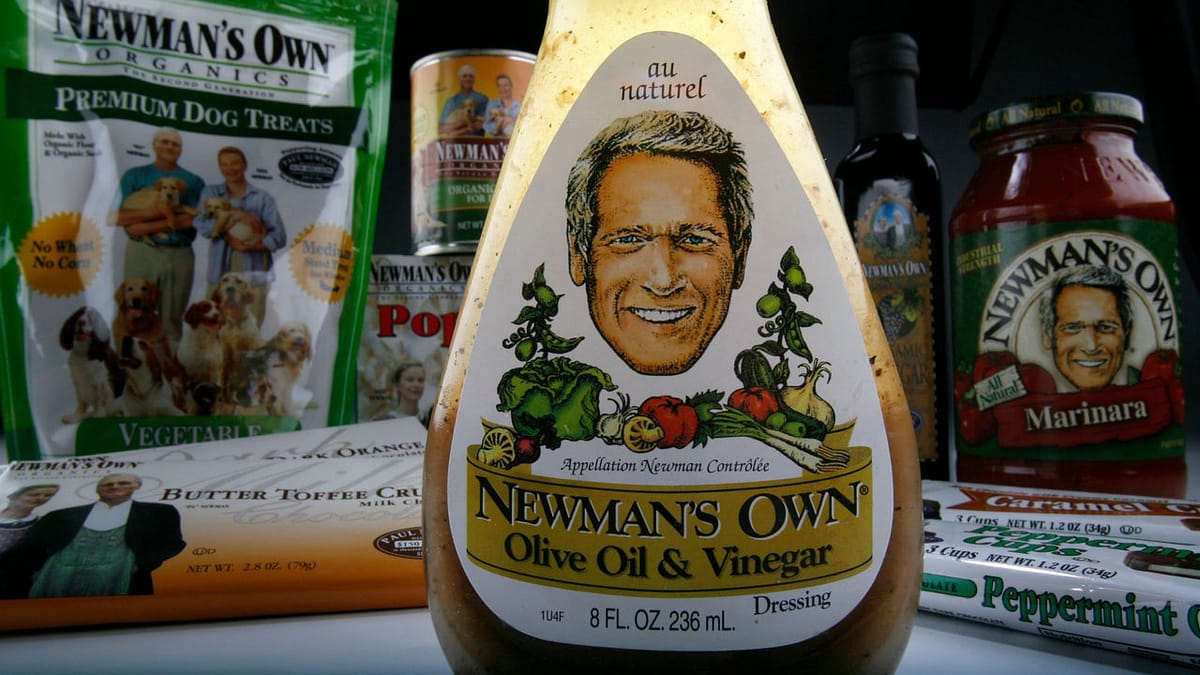
- Newman Own has generated over 600 million dollars for charitable causes since its founding in 1982.
- Actor Paul Newman founded his food company at age 57 and donated 100 percent of the proceeds.
🌟 Non-members read here
Anthropic recently announced a plan to allocate five percent of its equity into a public benefit trust to share future wealth. This decision addresses concerns regarding how rapid advancements in artificial intelligence might disrupt the global economy and impact the general workforce.
Financial commitments to public welfare
The move by the artificial intelligence startup represents a significant shift in how tech companies approach their social responsibilities. By setting aside five percent of its shares, Anthropic is preparing for a future where its valuation could reach astronomical heights. Current rumors suggest the company is moving toward a record-setting initial public offering. If these projections hold true, the shares dedicated to the trust will be worth billions of dollars immediately upon going public.
Over time, the value of these shares could skyrocket into the hundreds of billions. To put this into perspective, a similar move by a major tech giant two decades ago illustrates the potential scale. If Google had committed five percent of its equity to a similar trust before its 2004 debut, that stake would be worth roughly $184 billion today. This comparison highlights the massive financial impact a successful AI firm can have on global philanthropy.
Observers view this plan through various lenses depending on their perspective of the tech industry. Some see it as a sincere attempt to ensure that the benefits of automation and intelligence reach everyone, not just investors. Others interpret the gesture as a strategic move to ease the concerns of government regulators. By creating a public benefit trust, the company may be attempting to build goodwill before its technology causes significant labor market shifts.
Historical precedents for corporate giving
While the financial scale of this plan is unusual, the concept of a business serving the public good is not entirely new. Long before the rise of Silicon Valley, actor Paul Newman established a unique model for corporate altruism. At the age of 57, the Hollywood legend launched a food company that would change the landscape of charitable giving. He turned his personal brand into a tool for social improvement by donating all profits to various causes.
Newman initially hesitated to use his famous face to sell products like salad dressing. He viewed the idea as a form of self-exploitation that felt uncomfortable for a serious artist. However, he eventually decided that if he was going to be exploited by the industry anyway, he should do it for a worthy cause. He launched his brand with the intention of giving away 100 percent of the proceeds to the community.
Lessons from the Newman model
The food company started as a small project but grew into a massive success. Today, the brand is a staple in grocery stores across the country, selling everything from salsa to pasta sauce. Since its inception in 1982, the organization has generated more than $600 million in total charitable donations. This success proved that a business could prioritize social impact while remaining competitive in a crowded marketplace.
The rise of effective altruism in tech
The philosophy driving Anthropic is a modern, data-driven version of the ideas Paul Newman practiced. This mindset is known as effective altruism, and it has become common among the leaders of major artificial intelligence laboratories. The core tenet of this belief system is that individuals and companies should gain as much influence as possible to maximize their positive impact. In this framework, the pursuit of wealth is a means to an end rather than the final goal.
However, the application of this philosophy in the technology sector has faced intense scrutiny. Critics point out that the drive to amass wealth for the common good can sometimes lead to unethical behavior. High-profile scandals in the cryptocurrency world showed how a focus on future giving can be used to justify present-day deception. In the context of AI, there are worries that the pressure to increase share value for the trust might lead to compromises.
Balancing safety with financial growth
The primary concern is that a focus on valuation could distract from the necessary work of ensuring software safety. If a company feels obligated to make its shares as valuable as possible for the public trust, it might rush products to market. This acceleration could lead to the release of tools that are not fully tested for bias or systemic risks. The desire to help humanity with money could inadvertently lead to technology that harms society in other ways.
Anthropic acknowledges that its technology has the potential to cause significant disruption. The company often speaks about the risks of powerful AI systems, including the possibility of catastrophic outcomes. Because of these risks, the public benefit trust serves as a safeguard, but it is not a complete solution. Financial compensation cannot easily fix the social or creative issues that might arise from widespread automation.
Ethical dilemmas in the frontier AI space
The startup must navigate a complex landscape of creative rights and societal impacts. As AI models train on vast amounts of human-generated data, questions about compensation for creators remain unanswered. While a multi-billion dollar trust is a helpful tool, it does not address the underlying tensions regarding how data is sourced. The tech industry continues to grapple with these fundamental questions as development speeds up.
Long-term implications for the industry
The creation of the public benefit trust sets a new standard for other startups in the intelligence space. If Anthropic successfully goes public with this structure, other firms may feel pressured to follow suit. This could lead to a new era of corporate governance where a portion of every major tech company is owned by the public. Such a shift would fundamentally change the relationship between Silicon Valley and the rest of the world.
However, the success of this model depends on the survival and prosperity of the human workforce. There is little benefit in accumulating wealth for humans if the technology itself creates unmanageable risks. The industry must find a way to balance the creation of value with the protection of existing social structures. This balance is the most difficult challenge facing the leaders of the AI revolution today.
Focusing on the means and the ends
Altruism is not solely defined by the amount of money a company gives away. The methods used to acquire that wealth are just as important as the eventual donations. Paul Newman’s legacy suggests that the spirit of the work matters as much as the financial outcome. For AI companies, this means that safety research and ethical development must take priority over profit margins and share prices.
The public should remain engaged and critical of these gestures. While a five percent equity stake is a massive commitment, it does not give the company a free pass on other responsibilities. Monitoring how these trusts are managed and how the money is distributed will be a key task for future regulators. Transparency in how the funds are used will determine if the trust is a true benefit or a marketing tool.
The future of the public trust
As the company nears its IPO, the details of the trust will become clearer to the public. Investors will have to decide if they are willing to accept a slightly lower stake in exchange for a more socially conscious corporate structure. The result of this experiment will likely influence the next decade of tech development and corporate responsibility. For now, the world watches to see if this bold financial move can truly help manage the transition to an AI-driven economy.
References
- Attribution: Valentin Podkamennyi, VP Insights
- Citations: Anthropic was beaten to the punch by a salad dressing company, Fast Company
- Mentions: Google, Newman's Own, Sam Bankman-Fried
- About: Anthropic, Paul Newman